



How To Get Rid Of A Ghost (If You Do Want To)
So… you think your house is haunted.
Not ideal.
You’ve checked under the bed.
You’ve blamed the pipes.
You’ve even considered… maybe it’s just you slowly losing your mind.
But then it happens again. At this point, you’ve got two options:
- Accept your new roommate. 2. Politely ask the ghost to start paying rent
(Unfortunately… option 2 rarely works.)
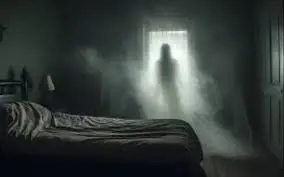
After spotting a few signs of a haunting and confirming your suspicions, you’re fairly confident you have an uninvited guest in your home, but what’s next? How can you know how to get rid of a ghost?
Not everyone actually wants to banish a ghost; some folks are content coexisting with a peaceful spirit (hey, a friendly ghost can be good company once you get used to them).
But let’s assume your otherworldly roommate is not paying rent and is seriously creeping you out or disrupting your life.
Contents
Reality Check (Ghosts & Debunking)
So if you’re currently at the stage of Googling “how to get rid of a ghost”, we’re guessing you’ve probably already noticed a few signs and tried to identify a ghost using the usual clues (like cold spots, electrical disturbances, and other classic signs of a haunting).
Well, here’s the slight kicker, guys. Real ghosts are simply not like pests that you can trap or call an exterminator for. As one paranormal expert put it: “They’re not like mice. They have to choose to leave.” In other words, you can’t exactly force a spirit out by changing the locks.
In paranormal belief systems, a spirit is thought to have consciousness or unfinished intent. That means you can’t simply evict it like a tenant; instead, you need to focus on persuasion.
This means first addressing the reason it’s there.
Paranormal investigators often say activity persists because of either unfinished business, emotional attachment, trauma, confusion about being deceased, or simply attachment to a person.
With that in mind, here are approaches, from gentle to more forceful, that can help reclaim your space from an unwelcome ghost.
How to Get Rid of A Ghost
Here are some of our top tips when you’re exploring how to get rid of a ghost.
Set Firm Boundaries: Ask It To Leave
Yes, it might well sound a little too simple, but often the first and most effective step is to speak up.
What to do step by step:
Politely but firmly tell the ghost it’s not welcome to bother you. This is sometimes called the “direct approach” — essentially, you assert your rights as the living owner of the house.
Example script (say it out loud into the empty room)
“This is my home now. You are scaring us, and I need you to leave.”
How to say it:
- Use a calm, firm voice
- Do not yell or threaten (yelling can show fear or anger, which may actually feed the spirit energetically – not what you want)
- Think of it as setting a boundary, much like you would with a rude human houseguest.
Add clarity (some experts recommend this)
You can even explain to the ghost, kindly, that they don’t belong here anymore because they have passed on. Some spiritual experts say ghosts don’t always realise they’re dead or that they’re intruding, so spelling it out for them can help.
For example: “This is the world of the living, and your time here is done. It’s time for you to go to the light.” Yeah, it may well feel a bit awkward at first, but just stand your ground. Have confidence in yourself.
Why this can work
Now you might be quite surprised. Often, simply asking a spirit to leave or stop its antics is enough to end the haunting. Essentially, ghost or not, you’re asserting control of your space. Remember, the physical world is your domain, and ghosts rarely have any real power here.
Help A Ghost Move On
This might sound counterintuitive and, at first, slightly mad. After all, you want the ghost gone, but sometimes a spirit sticks around like super glue because it has unresolved business or an important final message.
When this applies
If the activity you’re experiencing feels purposeful rather than random, it may be worth approaching it a little differently.
Some people describe certain signs of a haunting as interactive, where events seem to respond to presence, emotion, or even direct attention. In these cases, the experience is often interpreted as more than just environmental or residual.
This is where the distinction between different types of hauntings comes in. Some are thought to be residual, meaning they replay like an imprint with no awareness. Others are described as intelligent hauntings, where the activity appears responsive or intentional.
If you feel the latter may apply, some choose to calmly acknowledge it. This might be as simple as asking, out loud or internally, what the presence wants or whether it is trying to communicate something.
The key is to remain calm, respectful, and grounded. Avoid escalating fear or making assumptions too quickly.
At the same time, always balance this approach with rational thinking. Look for patterns, consider environmental factors, and don’t rely on a single experience to draw conclusions.
Understanding the difference between random occurrences and something that feels responsive can help you decide how to approach the situation more thoughtfully.
What to do
This can be done via a medium or by yourself. For example, during a moment of activity, calmly speak:
“What are you looking for? How can I help you?”
You might not get a clear answer, but you might notice patterns:
- Maybe every time you find a particular old music box open, the ghost is drawing attention to it because it was theirs and they’re attached to it
- Or the spirit’s presence always gets stronger around an anniversary date – maybe they want someone to remember that date
If you figure out the unfinished business, you can act on it. This could be anything from:
- dedicating a prayer to their memory
- returning a lost photo to their family
- or even just acknowledging their story aloud
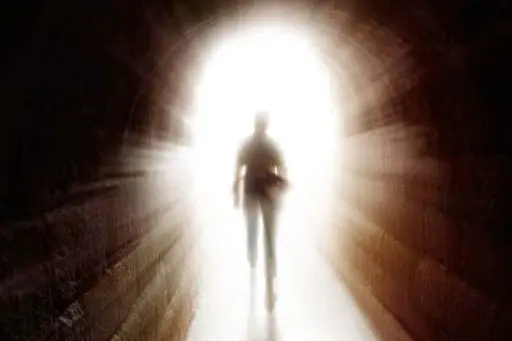
Another very important technique many spiritualists suggest is to gently guide the spirit towards “the Light.” You can do this through visualisation: in a meditative moment, imagine a warm, bright light and kindly tell the ghost to go into it, where loved ones are waiting.
Some people even say:
“I call upon any ancestors or angels of this spirit, please come help take them home.”
If the idea is that the ghost is stuck or confused, providing reassurance (“you’ll be safe and at peace if you move on”) might be what allows them to let go of our world.
It’s a compassionate approach: rather than kicking them out angrily, you’re helping them find their way. And often, once their goal is met or they understand they’re dead, they leave willingly.
Stop Feeding It Energy (Ignore The Drama)
Yeah, this one can be pretty tough, especially when you’re feeling very, very frightened, but it is powerful.
From folklore, ghostly phenomena are often thought to draw energy from our attention and emotions. So if you just try to stop reacting – so no fear, no fascination, no talking about it constantly – the spirit might lose the juice it needs to manifest. Our advice is to try it and see.
What “ignoring” actually means
- Try living your life as normally as possible
- Don’t give the ghost the spotlight
- Definitely don’t obsess over it inside the house
(Discussing the ghost frequently or dramatically can almost be like inviting it to act up more)
Think of it like dealing with a tantruming child. Sometimes, the more attention you give, even negative attention, the more they continue! By ignoring the eerie noises – or saying firmly “knock it off” and then pointedly not engaging further, you send a message that you’re not interested in its shenanigans.
Go about your day and refuse to be rattled. It may feel hard if you’re genuinely scared, but do your best not to show it.
Importantly, guys, just keep telling yourself, “I’m in charge here, I’m the one in charge here”. Over time, a bored ghost might give up and move on if it doesn’t get the reaction it wants. (And if you’re dealing with the more chaotic end of the spectrum – what people often label as poltergeist signs – staying calm and not feeding the drama is still part of reclaiming the space.)
Many paranormal experts advise this low-drama approach as a first line of defence: you set a boundary, then starve the phenomenon of attention. It costs nothing and could very well resolve the haunting.
Cleanse Your Haunted Space
If politely asking and ignoring doesn’t cut it, try rolling up your sleeves and doing a spiritual cleansing of your home!
This isn’t cleaning in the mop-and-bucket sense (though physically cleaning and decluttering can improve the energy of a place too, and make you feel better). We’re talking about traditional practices meant to clear out negative or stagnant energy – including ghosts.
Sage smudging
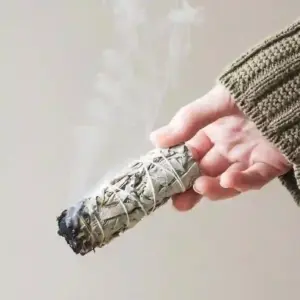 One of the most popular methods is smudging with sage.
This comes from indigenous and shamanic traditions: you take a bundle of dried sage (called a smudge stick), light the end until it smoulders, and let the purifying smoke waft through every room, especially corners and dark areas.
As you do it, set an intention or say prayers for the spirit to leave. Kathy Kelly humorously calls sage a “spiritual Lysol” — it might not literally evict a ghost, but it can cleanse the icky vibe that often accompanies paranormal activity. Many people report that after smudging, the atmosphere feels lighter and their nerves calm down.
Other cleansing options
You can also use burning lavender or Palo Santo wood as other cleansing techniques (and hey, they smell nice, which is a nice added bonus!).
You could also try:
- Sprinkling salt in doorways and corners. (Salt is a symbol of protection in many cultures)
- Black salt (salt mixed with charcoal or herbs) to create a protective barrier around the home’s perimeter.
Help the spirit “exit”
While you’re doing these cleansings, it helps to open windows – symbolically and literally, you’ll be giving the spirit an exit route while you push the negative energy out of your house. Again, just try it and then observe how the energy is in the house afterwards.
Noise cleansing
Another useful tip: a loud noise can clear a space, too.
Don’t be afraid to ring bells, clang pots, play upbeat music — it’s like an energetic reset for the house. Hey, worst case scenario – you’ve maybe annoyed the neighbours!
If there is a presence, it may quickly decide eternity is preferable to enduring your kitchen percussion.
Bring in your faith (if it fits)
You can also involve your own faith or spiritual practice:
- a house blessing
- a prayer or scripture aloud in each room
- holy water or oils, if that aligns with your beliefs
The goal here, friends, is practically to make your home as inhospitable to hauntings as humanly possible and yet still hospitable to you. And if you are still sceptical, a thorough cleansing ritual can be very empowering – it’s your home after all, and you’re assertively reclaiming it on a psychological level.
Protection Techniques Against Ghosts
Alongside cleansing, you might want to add ongoing protective measures to keep ghosts out.
Different cultures and traditions have a variety of protective charms and rituals, so just use whatever feels best and resonates the most with you.
Common protections
- Salt lines or circles: pour a line of salt across thresholds (front door, windowsills) to create a barrier that the spirit supposedly cannot cross
- Carry salt or protective herbs with you
 Crystals (modern spiritual practice)
Crystals are another favourite:
- Black tourmaline or obsidian in rooms is said to absorb negative energy and ward off spirits.
- An amethyst by your bed is a popular choice to protect against nightmares or unwanted spiritual interference.
Folklore protection
Some people swear by hanging iron objects or special talismans. In folklore, iron repels evil spirits (ever wonder why horseshoes are lucky charms?). You’ll see horseshoes upside down occasionally in England and abroad in Europe. Feel free to try it and see if it helps.
Candles & symbols
- White candles can be lit to purify and bring positive energy (*Do, though, practice fire safety – this is very important.)
- Religious symbols (crucifix, star of David, etc.) can help if you truly believe in their powers.
Psychological protection
Even simply visualising a protective shield of light around your home can really both bolster your own confidence levels (important at this time) and, believers say, keep ghosts at bay.
At bedtime, if you’re understandably still afraid of nighttime activity, consider a night light – not because ghosts are scared of light, but because you’ll feel safer and less likely to misinterpret shadows. For children, too, of course, this can help them feel emotionally better.
So here is the bottom line… do your best to create a fortress of positive energy around you. Many hauntings taper off when the homeowner stands strong and fills the home with laughter, prayer, love, or whatever positive vibes you can muster. Importantly, remember that a ghost that thrives on fear and chaos won’t find sustenance in a house brimming with upbeat energy.
Call In Professionals To Remove A Ghost
If you’ve tried DIY methods and the ghost is still partying in your living room, then it might be time to call for backup.
Now the word “Professional” in the ghost world can mean different things, so choose what suits your situation and belief system.
Options include
- paranormal investigators
- mediums/psychics
- religious clergy experienced in blessings or exorcisms
Here is what each does:
Paranormal investigation teams will nearly always come with equipment to document the haunting (cameras, audio recorders, EMF readers) and attempt to communicate or find evidence.
Just be aware that they might not banish the ghost for you — their role is often more to confirm and understand what’s going on. Simply having them investigate can sometimes reduce your stress levels and the ghostly activity.
A psychic medium may attempt direct communication and persuade the spirit to leave. They may hold a séance or do a walk-through reading of your home.
If you do end up going down this route, please DO ensure the medium has a lot of good references (over 10 at least) and isn’t just spinning a tale for money. There are also spiritual specialists (shamanic practitioners, “ghost hunters for hire”) who perform home-cleansing rituals with more authority or experience.
On the religious side, you can ask a priest or minister to bless the house. In Catholic tradition, a priest can perform a house blessing or even an exorcism if warranted (though true exorcisms are rare and usually for demonic cases, not your average ghost).
Similarly, Buddhist monks, Hindu priests, Islamic imams, or other religious figures have their own rituals for removing spirits.
The key is to find someone respectful and credible.
Even the act of bringing in outside authority can bolster your resolve; it’s like saying, “I mean business.”
This is also the point where people often start looking for paranormal investigation signs to justify calling someone in, but it’s equally valid to call for help simply because you’re exhausted.
Still, if the haunting is really disturbing, getting support from experienced people can bring immense relief, and sometimes simply having your experiences believed can help you feel less alone.
Know When To Get Out (Last Resort)
This is rarely needed, so don’t be scared, but let’s be real here and frank – your peace of mind is vital, and you don’t want your mental health to go down.
If your ghost situation ever escalates to the point where you or your family feel truly unsafe or terrorised, prioritise your safety. You’ll be glad to know that the vast majority of hauntings are harmless or more annoying than dangerous.
In fact, if you do some careful research, you’ll find that most ghosts don’t physically hurt people. They might startle you, move things, make noise, but they typically lack the physical power to cause injury. Many paranormal experts reassure that ghosts can’t really kill or hurt you directly.
But the stress and fear they create can indirectly lead to harm (imagine someone running out of the house in a panic and tripping, for example). If you find yourself in a constant state of fear, then no house is worth that.
Just listen to & trust your gut instincts. If the atmosphere in your house is persistently oppressive or menacing despite all efforts, your well-being comes first. There’s absolutely no shame in saying in your own head and deciding, “I can’t live like this.” Some haunted house cases (in legends and real-life accounts) end with the family moving and finding immediate relief. It’s a last resort, but it’s an option on the table if needed.
Not All Ghosts Are Bad (Coexisting With Ghosts)
It’s worth noting that not all ghosts are hostile. In fact, many ghost encounters are benign or even comforting. For example, a close relative who has passed on.
Some cultures believe a ghost in the house might be an ancestral spirit protecting the family, or simply a previous occupant who quietly cohabits without causing trouble.
If your ghost isn’t a hostile type from your observations, you in fact might choose to coexist with your own little Casper.
Some people even name their friendly household ghost and leave it alone (as long as it respects boundaries). So in the end, ultimately, whether you decide to banish your ghost or live with it, the goal is the same: restore your sense of peace and control in your home.
References to freely research:
Frequently Asked Questions
How do you get rid of a ghost in your house?
If you believe your house is haunted, the first step is to rule out logical explanations such as drafts, electrical issues, or environmental factors. If unusual activity continues, some people choose to cleanse the space using methods like opening windows, increasing light, or creating a calmer environment. Others may seek guidance from a professional, such as a spiritual advisor or paranormal investigator.
What is the most effective way to remove a ghost?
There is no scientifically proven method for removing a ghost. However, common approaches include cleansing rituals, setting boundaries verbally, and removing objects linked to the activity. The effectiveness often depends on personal belief, environment, and whether the experience has a rational explanation.
Can you ask a ghost to leave?
Some people report that calmly and firmly asking a presence to leave can reduce activity, particularly in cases described as “intelligent hauntings.” If you choose to do this, it’s recommended to remain calm, respectful, and avoid escalating fear. There is no guarantee this will work, but it is a commonly suggested step in paranormal guidance.
Who do you contact if you think you have a ghost?
If you’re concerned, you could contact a paranormal investigation group, a spiritual advisor, or a religious figure, depending on your beliefs. It’s also worth consulting practical professionals first, such as electricians or surveyors, to rule out physical causes.
Should you be worried if you think your house is haunted?
Feeling uneasy is a natural response, but most reported experiences are not harmful. It’s important to stay calm, avoid jumping to conclusions, and focus on understanding what’s happening. If the situation is causing distress, speaking to someone you trust or seeking professional advice can help.
Whether you choose to remove your ghost or make peace with it, one thing is certain, it’s never quite the same once you’ve experienced it yourself. Step into the story on a Scented Ghost Tour in Bath, where the experience goes far beyond what you hear.
Book NowSecure SSL Checkout • Encrypted Payments


