

Table of Contents
- Are Ghosts Real?
- The Hard Science: Scientific Evidence for Ghosts
- Why People Think They See Ghosts
- Sleep Paralysis & Night-time Hallucinations
- Pareidolia & Brain Tricks in the Dark
- Infrasound Haunting & Environmental Causes
- Carbon Monoxide & Ghost Illusions
- Ghost Beliefs in Religion & Culture
- Has any real proof of ghosts ever been found?
- Proof of Ghosts: Believer Arguments
- Signs of a Haunting
- Types of Hauntings
- Internet Trends: Why We Still Ask “Are Ghosts Real?”
- Does personality influence belief in ghosts?
- Conclusion
- FAQs
In a hurry? Click our jump to conclusion button.
We delve into the science and psychology behind the paranormal to ask, “Are ghosts real?”
When there’s something strange going on in your neighbourhood, who you gonna call? Probably the authorities.
Hunting for ghosts is a centuries old endeavour, the history of which is full of curious, unexplained oddities that will leave your hair standing on end.
Do ghosts, exist and are ghosts real?
We sift through the scientific evidence of ghosts or signs of ghosts while taking a balanced approach.
The genesis of ghost hunting can be traced back to the 19th century when spiritualism gripped the Victorian era.
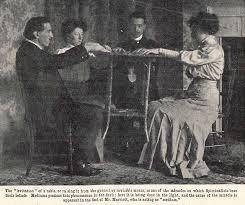
Drawing rooms became seance hotspots, paranormal experiences with mediums who claim to be able to peer beyond the veil between life and death and converse with loss spirits.
One of the oldest paranormal investigation societies, known as the Ghost Club, was founded in London in1862 and boasted several famous faces including Charles Dickens and poet William Butler Yeats.
Belief in the supernatural and the intrigue into ghostly goings on have persisted throughout the ages, as recently as 2019 a YouGov poll found that 45% of Americans believe that ghosts are real and felt have proof of ghosts.
So are hauntings real? Well, a 2022 YouGov poll revealed that 67% of Americans believe that they have had at least one of 13 paranormal experiences listed in the poll, with 37% of those surveyed saying that they’ve “felt a presence or unknown energy”.
Why are so many of us so eager to believe in these mysterious phenomena despite or maybe because of the lack of scientific proof of the paranormal?
Many insist that their experiences are ghostly. One of the main psychological reasons we have a spooky experience is because we need an explanation for the unknown.
It brings us comfort and relative security to explain the unexplainable, and if it’s a ghost that made that knocking sound or drop the temperature, then so be it.
Our brains can even make connections between things that aren’t necessarily connected which is known as apophenia. You will likely have experienced a specific form of apophenia called pareidolia, where you find faces in random objects, such as on the front of a car or in the clouds.
There’s also an evolutionary angle to our ghostly beliefs.
Scientists think that our willingness to attribute unexplained sights and sounds to the paranormal is due to our brains being hardwired to spot potential threats. In a somewhat self-preserving way, our brains are biased towards believing that when something happens in the world around us it happens because someone or something with intentions towards us made it happen, Chris French, head of the anomalistic psychology research at Goldsmiths College University of London said in 2024.
Our fascination with the macabre has garnered a global industry and dark tourism that’s projected to grow significantly. According to a report by Grand View Research, the global dark tourism market size was estimated at USD 31.89 billion in 2023 and projected to reach USD 32.63 billion in 2024 https://www.grandviewresearch.com/industry-analysis/dark-tourism-market-report.
The Hard Science: What Does Science Say About Ghosts?
Ghost or Water Hunters? The dowsing debate
If you’ve ever seen someone wandering around a field with a pair of rods in their hands, you’ve witnessed the practise of dowsing. For centuries, people have used wooden or metal rods to communicate with spirits.
An L-shaped rod is held in each hand and if the rods cross a spirit may be near. Similarly, the movement of the rods is thought to be used as a way for the spirits to answer yes or no questions.
However, just like with Ouija boards, the ideomotor effect may be at work here. And ghosts aren’t the only thing dowsing rods are used to track down. These rods are used to find groundwater which is met with equal scepticism.
The Figure at the End of Our Bed: Sleep Paralysis Ghost Encounters Explained
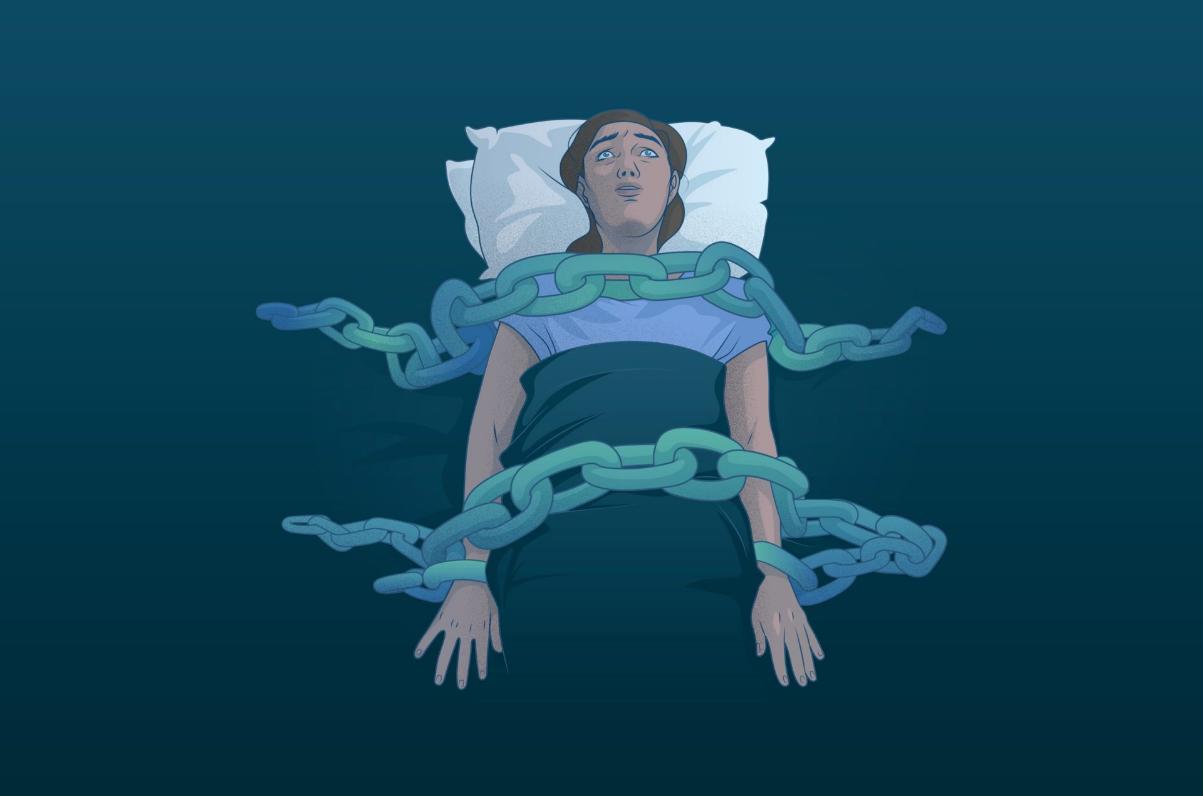
Have you ever woken up in the middle of the night unable to move with a ghostly figure at the end of your bed?
If you have, you maybe among the 20% of people who are affected by sleep paralysis. What does science say about ghosts or the figure at the end of your bed?
Well, this chilling condition might sound like something from a horror movie, but it’s a very real issue that blurs the lines between sleep and being awake. It occurs during the transition between wakefulness and rapid eye movement (REM) sleep.
During REM sleep, our brain sends signals to our muscles to enter an immobile state called atonia.
However, this immobile state can remain for those suffering from sleep paralysis when they wake up. Around 10% of people also experience hallucinations, often including figures but could be mistaken for ghosts. Hallucinations of sleep paralysis can be ghost sightings explained.
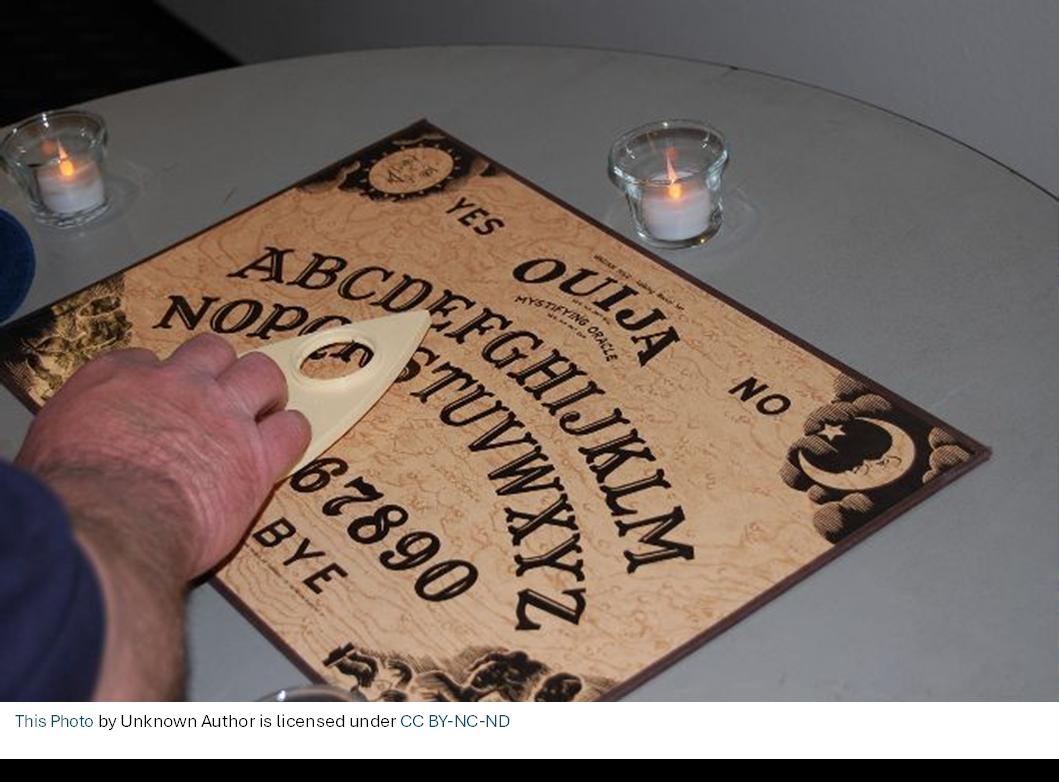
Purposeful pointers – Ouija Boards and the ideomotor effect.
Is it the force of spirits or simply your subconscious? The psychology of hauntings and Ouija boards explained.
The purpose of an Ouija boards pointer also known as the planchette, is to spell out messages on the board being received from beyond. As any good slumber party seance-goer will attest, after asking some probing questions, the pointer will move, along with the fingers placed on top of it.
The sceptics among the party will attribute this to the phenomenon known as the ideomotor effect – the bodies involuntary unconscious movement. You might not intend to move the pointer forward, but your unconscious thoughts will prompt the muscles in your arms to push it.
Science arguments against ghosts being real:
The energy conservation problem (physics and ghosts)
Many people who believe in ghosts describe them as some kind of “energy” that lingers after death. But when you look at it through the lens of physics, that idea runs into major problems.
For anything in the universe to make a light flicker, shift an object, create a cold spot, or show itself visually, it must draw on a measurable source of energy. Nothing can move or shine or make noise without tapping into something we can detect.
The difficulty is that ghost accounts often claim the opposite: that a spirit can glide through walls, appear and disappear instantly, or affect the environment without leaving any trace of mass or energy behind. Known laws of physics don’t allow for an entity that is both capable of physical influence and completely intangible at the same time. Despite centuries of research into unexplained forces and unusual types of matter, scientists have never uncovered any form of energy that behaves in a way that could support these claims.
The neuroscience problem (Consciousness after death)
A similar problem appears from a neuroscience perspective. Everything we understand about experience, memory, emotion, and awareness comes from activity inside the living brain. When the brain stops functioning, there is no established scientific model that explains how a conscious, perceiving “self” could continue independently. From this view, a ghost with thoughts, intentions, and perceptions would require a mechanism that has simply never been observed.
Because of this, scientific fields tend to fall back on a simple rule: extraordinary claims need extraordinary evidence. And so far, no verified measurements, experiments, or observations have confirmed the existence of an entity that can think, perceive, and interact with the world without a physical body or detectable energy source.
Environmental explanations for hauntings: Infrasound Haunting, Carbon Monoxide Haunting & Ghost Hallucination Science
Researchers uncovered why the brain creates ghost experiences and have uncovered a number of real-world explanations for the eerie sensations people often label as “hauntings.” One of the most surprising is infrasound — extremely low sound frequencies that fall below what we consciously hear. These vibrations can trigger physical reactions such as unease, shivers, pressure in the chest, or even visual distortions.
In fact, one famously “haunted” workspace was eventually traced back to a malfunctioning ventilation fan producing infrasound that affected everyone inside, convincing them they’d glimpsed ghostly shapes.
Other everyday hazards can produce similar effects. Carbon monoxide leaks, black mold, and certain airborne toxins can alter perception, cause headaches, create feelings of dread, and even provoke hallucinations according to ghost hallucination science. More than one family has believed their home was occupied by spirits, only to discover that the true cause was an invisible environmental problem rather than anything supernatural.
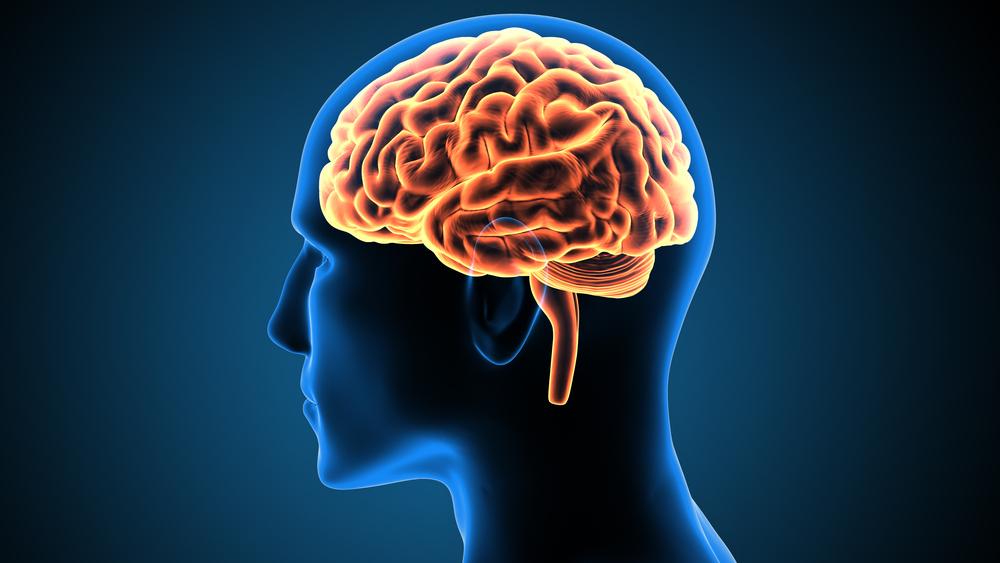
Human Psychology: Why People Think They See Ghosts
Our minds can easily misinterpret things when we’re already on edge. Walking through an old, silent building after dark—especially if you’ve been told it’s haunted—makes every tiny sensation feel loaded with meaning.
High stress, heightened alertness, and a vivid imagination can turn normal sounds or sensations into something that feels genuinely supernatural.
Researchers have shown how powerful expectation is. In one study, volunteers were told a location had a reputation for ghost sightings. Many of them later described strange feelings, odd sounds, or the sense of being watched. Another group, told the same place was just undergoing routine renovation, reported far fewer odd experiences. The environment didn’t change — only the story did.
When fear kicks in, adrenaline sharpens your senses. You start noticing things you would normally ignore. A creak becomes a deliberate step, a cold spot feels like something standing nearby. Your brain fills in gaps automatically.
Our Prior Beliefs & Personality: Why the Brain Creates Ghost Experiences
People who already have strong spiritual beliefs, or who are naturally drawn to imaginative thinking, are more likely to interpret ambiguous events as paranormal. Personality traits such as creativity, fantasy-proneness, or susceptibility to vivid internal imagery often correlate with reporting ghostly encounters.
Meanwhile, someone with a more analytical temperament might witness the same flicker of movement or unexplained noise and immediately search for a practical explanation.
Memory Isn’t Perfect: How Ghost Sightings Are Explained
Human memory is flexible, not fixed. Each time you remember an event, your brain reconstructs it from fragments. Over time, details shift, blur, exaggerate, and merge with other stories or emotions.
Even sincere witnesses can describe an experience vividly — but not always accurately. This natural distortion makes many ghost accounts feel convincing even when the underlying memory has changed many times.
Cultural and Historical Beliefs: The History of Ghost Beliefs Around the World
Historical Ghost Beliefs in Ancient and Medieval Cultures
Beliefs about ghosts stretch back thousands of years, appearing in the stories and traditions of cultures across the globe. The idea that something of a person survives after death — whether you call it a soul, a spirit, or an essence — is ancient.
Civilisations like the Egyptians and Greeks believed the soul continued after death, and many early societies developed elaborate burial customs to ensure that the dead stayed peaceful rather than returning to trouble the living.
During the medieval period in Europe, ghosts were typically viewed as troubled souls caught somewhere between salvation and damnation. In other parts of the world, spirits were seen very differently — sometimes as guardians of the family line.
Global Spirit Traditions Today
What people expected a ghost to look like or how it should behave has shifted dramatically through time. Cultural beliefs play a huge role in shaping ghost imagery: each society develops its own version of what a spirit ought to be.
Across East Asia, for instance, ghost traditions are closely tied to ancestor honouring. Neglected family spirits were believed to grow restless or hungry, returning to seek attention from the living.
Japan’s famous yūrei are often portrayed as vengeful shades created when someone dies with deep sorrow, rage, or unfinished business.

Many African and Indigenous cultures also have rich spirit lore woven into their worldviews, each with its own types of ghostly beings and supernatural encounters.
Despite the enormous variety, one theme is universal: almost every culture on Earth has some belief in spirits of the dead.
Modern surveys show that large portions of people in countries as far apart as India, Japan, Brazil, South Africa, and the United States say they believe in ghosts or have had an inexplicable experience they interpret as a haunting.
In almost every case, the “form” of the ghost matches the stories and expectations of that culture — suggesting that beliefs shape not only folklore, but how people interpret strange events.
Ghost stories themselves are hardly a modern fascination. One of the earliest written accounts comes from the 1st century, when the Roman writer Pliny the Younger described a spectral old man rattling chains in a house in Athens.
By the Middle Ages, tales of phantom nuns, wandering knights, and spectral ladies in white were widespread throughout Europe. Many historical figures later became entwined with ghost lore — Anne Boleyn, beheaded in 1536, has been reported at the Tower of London for centuries.
Ghost stories endure because they speak to something timeless: grief, fear, curiosity, and the ancient human hope that something of us might linger after we’re gone.
Ghosts in Religion
What does God say about ghosts or other religions? – ghosts in religion and culture around the world
Hindu views on spirits
Ghosts are often mentioned in religion. In Hindu thought, the existence of spirits is not unusual. Traditions describe several types of disembodied beings, including preta and bhuta, which refer to restless souls who have not yet transitioned to their next stage of existence.
According to Hindu teachings, a person’s spirit normally moves on after the appropriate rites are carried out — typically cremation followed by śrāddha ceremonies.
If these rituals are incomplete, or if someone dies in a sudden, violent, or morally troubled manner, their soul may linger in an unsettled state. In this in-between state, the spirit is believed to remain close to the world of the living until it can progress to its proper rebirth or afterlife step.
Buddhist views on spirits
Buddhist cosmology also includes spirits, most notably the beings known as hungry ghosts or pretas. In Buddhist belief, existence is divided into six realms of rebirth, and the hungry-ghost world is one of the lower, more painful states.
These entities are depicted as tormented by overwhelming desire — endlessly craving food or drink yet physically unable to satisfy themselves, often illustrated with enormous empty bellies and impossibly narrow throats.
This condition is viewed as the karmic outcome of lives marked by greed, jealousy, or obsessive attachment. Texts such as the Huayen Sutra describe how individuals who led an immoral life by certain actions or intentions may find themselves reborn in this realm as a ghost.
Life as a hungry ghost is considered a form of ongoing suffering: an existence driven by need that can never be fulfilled.
https://hinduism.stackexchange.com/questions/2050/do-ghosts-and-spirits-exist-in-hindu-beliefs
Why People Think They See Ghosts – psychology and neuroscience
(Scientific, psychological, neurological, and cultural factors)
Many experiences that people interpret as “ghost sightings” have strong scientific and psychological explanations. Understanding why people think they see ghosts often begins with how the brain behaves during vulnerable states, particularly at night, when the boundaries between waking and dreaming blur.
Scientific, psychological, neurological, and cultural factors.
Sleep-related hallucinations (the most common trigger of brain tricks in the dark)
Many “ghost sightings” actually happen on the edge of sleep, when the brain is in a vulnerable state. People often experience strange sensations during:
- Sleep paralysis — your mind wakes up but your body can’t move.
- Hypnagogic hallucinations — drifting into sleep.
- Hypnopompic hallucinations — waking up from a dream.
During these moments, the brain can project:
- A shadowy figure standing nearby.
- Footsteps or breathing
- Soft whispers
- Movement in dark corners
Pareidolia — the brain’s threat-detection system
Another major factor behind why people think they see ghosts is pareidolia ghosts, a psychological tendency where the brain instinctively detects patterns — especially faces — even when they’re not there.
In low light or unfamiliar places, the brain fills gaps automatically, creating:
- Faces in shadows
- Movement in peripheral vision
- Voices hidden inside background noise
These brain tricks in the dark are part of the brain’s survival wiring and explain much of the psychology of hauntings.
Infrasound — sound you cannot hear but can feel
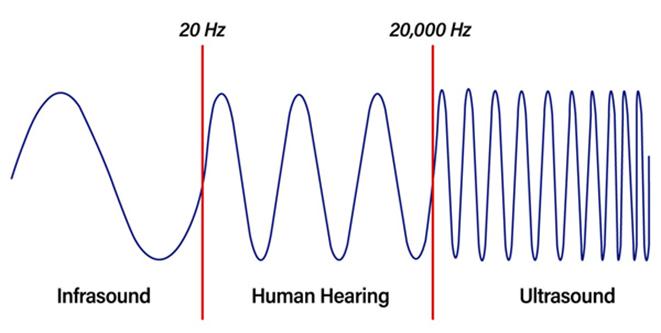
Scientific research into ghost hallucination science has repeatedly shown that very low-frequency sound (below 20 Hz) can trigger powerful sensations people interpret as paranormal. This phenomenon, often called infrasound haunting, can cause:
- Sudden anxiety
- Pressure on the chest
- Chills
- Vision distortions
- A strong sense of “being watched”
Old buildings often generate infrasound through ventilation systems, wind patterns, traffic vibrations, or structural resonance. One famous experiment by engineer Vic Tandy showed that infrasound alone could create fleeting shadowy hallucinations—without anything supernatural involved.
Carbon monoxide — the hidden historical cause
Some of the most dramatic “haunted house” stories were later traced back to carbon monoxide haunting events. Exposure to CO can cause:
- Headaches
- Paranoia
- Hearing voices
- Feelings of dread
- Full visual hallucinations
Several Victorian ghost stories have been re-evaluated and found to have far more to do with toxic air than wandering spirits.
Memory, suggestion, and expectation
Memory is not fixed—it reshapes itself each time you recall something. When people expect a location to be haunted, their senses become hyper-focused. Everyday noises get exaggerated, and small drafts become “signs.”
Over time, the brain reinvents details, making each retelling feel more convincing. This is a major component of why people think they see ghosts and helps explain why the brain creates ghost experiences even when nothing unusual has occurred.
Hallucinations during grief
During intense grief, especially after losing a loved one, the brain can generate gentle sensory hallucinations. Around 30–60% of grieving individuals report:
- Seeing someone who has passed away
- Hearing their voice
- Feeling them sit on the bed
These emotionally charged experiences feel real, especially in quiet nighttime settings. While meaningful, they are often psychological rather than supernatural — another example of the psychology of hauntings.
Why the brain creates ghost experiences:
Neurologically, this occurs when the parietal cortex (which tracks body position) falls out of sync with the limbic system (which controls fear). The clash creates an incredibly vivid illusion of “someone in the room”.
Pareidolia — the brain’s threat-detection system
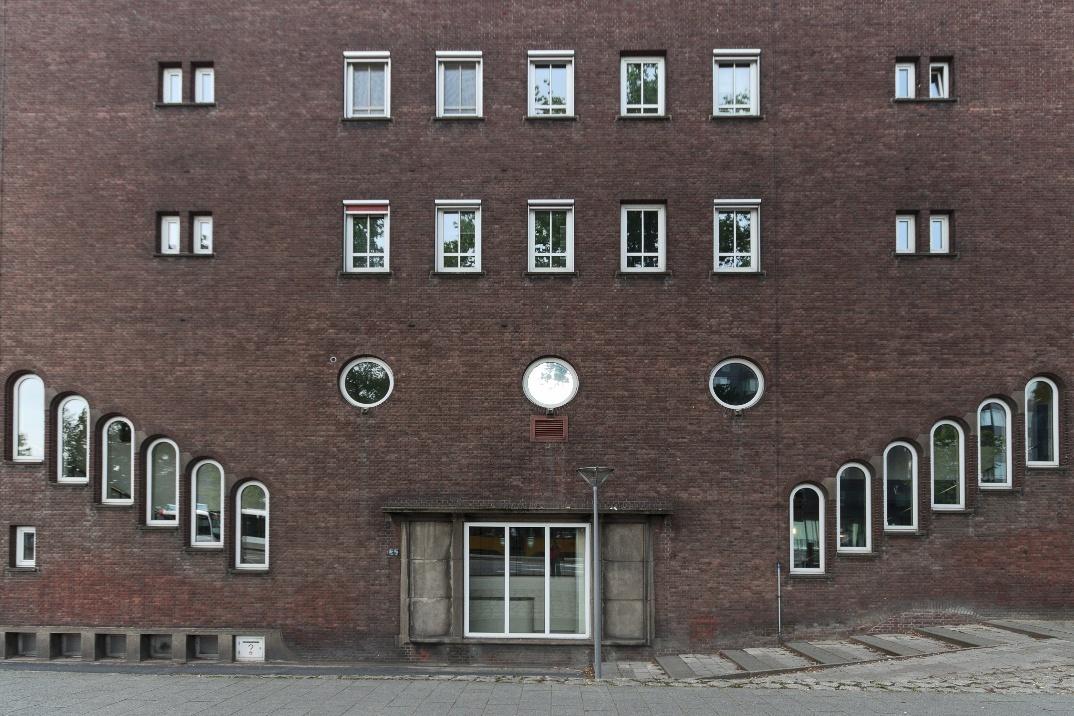
Humans are wired to spot danger even in vague shapes. In dim lighting or unfamiliar environments, the brain fills in the blanks, producing:
- Faces in random shadows or clouds.
- Movement seen out of the corner of the eye.
- Voices emerging from static or background noise.
This survival bias makes eerie, low-light settings perfect for “ghostly” misinterpretations.
Infrasound haunting science – sound you can’t hear but can feel
Very low-frequency vibrations below 20 Hz can trigger intense physical sensations:
- Sudden anxiety
- Chest pressure
- Chills
- Visual distortions
- The sense of a “presence” watching you.
Old buildings often generate infrasound through:
- Faulty ventilation systems
- Wind channelled down hallways
- Traffic vibrations
- Structural resonance
Engineer Vic Tandy’s famous experiment showed that infrasound alone can cause fleeting shadowy hallucinations — a scientific explanation for many “haunted rooms”.
Carbon monoxide poisoning & ghost hallucinations— an overlooked historical culprit
Before modern heating, many “haunted houses” were later found to have carbon-monoxide leaks. Exposure can cause:
- Head pain
- Paranoia
- Hearing voices
- Feelings of dread
- Full visual hallucinations
Several Victorian-era ghost stories were re-examined and linked to contaminated indoor air rather than roaming spirits.
Expectation, fear and hyper vigilence
When someone expects a place to be haunted, the brain becomes highly alert, exaggerating everyday noises into something supernatural. A simple creak or draft can be reinterpreted as a ghostly sign. Once the story is retold, memory shifts and reshapes the event, strengthening the belief.
Hallucinations during grief
Seeing or sensing a deceased relative is extremely common. Research shows 30–60% of widowed or grieving individuals report:
- Seeing their loved one
- Hearing their voice
- Feeling them sit on the bed.
These experiences are deeply emotional, feel authentic, and often happen in quiet nighttime settings — which leads some to interpret them as spiritual encounters.
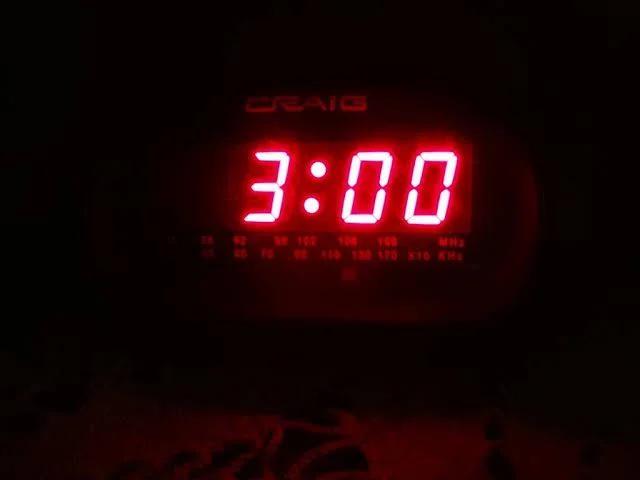
Why do people think 3am is scary? – the biology behind devil’s hour
Many people describe 3AM or “devils hour meaning” as the moment when the world feels strangely charged or “off,” but the explanation is far more biological than supernatural. Around this hour, several bodily processes hit their nightly low point, creating a perfect physiological setup for fear, confusion, and misinterpretation.
If 3AM feels haunted, it’s because it creates a perfect storm of:
- Dopamine is at one of its lowest levels, reducing alertness and making your mind more prone to misreading stimuli.
- Serotonin dips too, which can heighten anxiety, gloom, or uneasiness.
- It’s a time when dream cycles are at their most intense, so slipping in and out of REM sleep can blur the line between dreaming and waking reality.
- Sleep paralysis is most likely to strike around this period, creating sensations of a presence, pressure, or figures in the room.
- Your body hits its circadian temperature minimum, and that cold drop can trigger the instinctive feeling that “something is wrong.”
So in conclusion, why do people think 3am is scary? Put together, all these factors make your brain incredibly susceptible to misperceptions and night-time illusions—turning ordinary sensations into something eerie or “paranormal.”
Has any real proof of ghosts ever been found?
So far, science hasn’t verified any reliable proof that ghosts exist. Reports of cold spots, moving objects, or strange figures are usually explained by environmental factors, memory errors, or sleep-related hallucinations. Yet millions of people believe they’ve had genuine ghost encounters, and these personal experiences keep the debate alive. Scientists ask for repeatable, measurable evidence, while the public often relies on stories, emotions, and unexplained moments that feel real.
In our research we have found two particular cases that are incredibly difficult to disprove.
We look at:
- famous evidence
- debunked cases
- scientific attempts
- physics arguments
- investigations
- why proof is difficult
For a deeper breakdown of the claims and evidence people cite as “proof,” see our full guide on ghost evidence.
No ghosts are real! Paranormal Arguments – why some believe ghosts are real
Even with ongoing scientific doubt, belief in ghosts stays remarkably widespread. Surveys suggest that roughly a third of people in the UK feel they’ve encountered something they simply cannot explain. Supporters of the paranormal usually lean on three main lines of reasoning:
Lived Experience
Many people insist their encounters were unmistakably real: “This happened to me — I know what I witnessed.” When the same figure or apparition is reported in a single location over decades, it reinforces the idea that something beyond our current scientific understanding might be taking place.
cross cultural consistency
Every society on Earth, even communities that developed in complete isolation, has its own ghost lore. For believers, this global pattern suggests that ghost encounters are a universal human phenomenon rather than a recent invention or cultural fad.
Cases That Strongly Resist Easy Answers
There are well-known incidents where the activity reported is difficult to dismiss, including:
- Multiple individuals witnessing the same figure simultaneously.
- Objects shifting or doors moving without any identifiable physical cause.
- Animals reacting intensely to empty rooms or unseen stimuli.
- “Crisis apparitions,” where someone claims to see a relative at the precise moment they pass away — before the death is known.
For centuries, people have reported encounters with ghosts—footsteps in empty corridors, shadowy figures, voices, cold spots, and unexplained movements of objects. But does any of this count as real proof? The short answer is: not yet, at least not in the scientific sense.
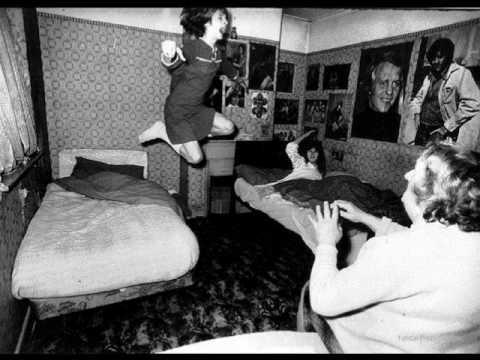
One of the most debated examples is the Enfield poltergeist case in North London.
Numerous witnesses — including neighbours, journalists, and even police officers — reported events ranging from furniture moving to a deep, gravelly voice echoing through the house. More than 30 independent observers described unusual happenings.
A particularly notable account came from WPC Carolyn Heeps, a police constable who swore she watched an armchair slide several feet across the floor unaided. She examined the chair and could find no wires, mechanisms, or tricks. Testimony from a trained officer is often highlighted by believers as compelling evidence that something genuinely puzzling occurred.
Listen for yourself here to the poltergeist speak and make up your own mind:
How do you know if you have a ghost? (Common Signs of a Haunting and how to tell if spirits are around you as described in folklore and paranormal reporting)
Across ghost-lore and paranormal accounts, if you want to know how do you know if you have a ghost, so signs of a haunting and a few patterns show up over again and again:
Sudden cold spots or temperature drops
People often describe pockets of chilled air or unexpected drops in temperature which can be mistaken for cold spot ghosts. Natural explanations include:
- draughts,
- circulating air currents,
- gaps in insulation or poorly sealed windows.
Even so, more than eight out of ten traditional haunting stories mention abrupt cold patches.
Odd electrical activity
This includes things like:
- lights flickering,
- televisions or radios turning on by themselves,
- batteries draining unusually fast.
In everyday terms, these effects are usually due to faulty wiring, ageing circuits, or loose connections. But in ghost narratives, electrical disturbances are frequently interpreted as a classic sign of a spiritual presence and an electrical disturbances haunting sign to the living.
Learn more about more signs in our full blog post: https://scentedghosttoursbath.co.uk/4-important-signs-your-house-maybe-haunted/
How to identify a ghost? (Scientifically & historically if you wanted to research a possible haunting)
Throughout history, different traditions have described several distinct “types” of ghostly activity:
Residual vs. Intelligent Hauntings
Residual Hauntings:
There’s no awareness or interaction; it’s simply a replay of an event from the past and appear in these repeated loops.
- Intelligent Hauntings: These are described as responsive: the spirit seems aware and may interact with people or its environment.
- Poltergeist signs: Known for physical disturbances—knocks, bangs, objects moving. Some researchers link poltergeist activity to paranormal investigation signs including psychological high stress within a household or to psychokinetic phenomena centred around an adolescent.
- Emotional Imprint Theory
One widely repeated idea in folklore is that certain places “hold” emotional energy. An emotional imprint haunting is said to concentrate in locations tied to:
- abrupt or tragic deaths,
- traumatic events,
- historically significant sites,
- places saturated with intense human emotion such as hospitals, prisons, and old homes.
This concept appears in many cultures and remains one of the most common explanations for why certain places feel or seem “haunted.”
Internet, Social Media and Our Interest in Ghosts: Why People Still Ask “Are Ghosts Real?”
Public fascination with ghosts online shifts constantly. Interest usually spikes during culturally charged moments such as Halloween, or right after a high-profile haunting story makes the news. Search data shows that people from all over the world—not only English-speaking countries—look up ghost-related topics whenever local folklore or seasonal traditions put spirits back into public attention.
Google search patterns reveal strong activity in regions where spiritual beliefs are deeply rooted, including Southeast Asia and parts of South America, alongside Europe and North America. This lines up with survey research indicating that belief in spirits is widespread across global cultures.
In places where honouring the dead is a major tradition—like Mexico’s Día de los Muertos or China’s Ghost Festival—online searches often rise around those periods as people look up rituals, stories, or meanings behind the celebrations.
Media also plays a huge role. Each time a new horror film based on a haunting is released, or a supposed ghost video goes viral, thousands of people jump online to ask questions like “Are ghosts actually real?” or “What’s the real story behind this movie’s haunting?” Social platforms amplify this effect: TikTok ghost clips, Reddit paranormal threads, and YouTube “caught on camera” videos regularly trigger bursts of curiosity, with users searching for explanations, confirmations, or debunkings.
When a major paranormal event or UFO claim hits the headlines, ghost-related searches increase across the board—not just for the specific case—showing how one dramatic story can reignite wider interest in the supernatural.
One striking point is how consistent these waves of interest have been. Ghost-related searches have formed a yearly pattern for more than a decade: rising in early autumn, reaching their peak around late October, and then dropping during the December holidays. Over longer timelines, the overall baseline of interest hasn’t drastically changed. Ghosts remain a stable subject of human curiosity.
If anything, the growth of ghost-hunting TV shows, paranormal podcasts, online forums, and social media communities has kept the topic constantly in circulation, giving people more reasons—and more places—to seek out ghost stories, evidence, or explanations.
Does personality influence belief in ghosts?
Research shows that people who score high in emotional empathy (feeling others’ emotions strongly) are slightly more likely to believe in:
- spirits
- energies
- the continued presence of loved ones
This is because empathy increases – sensitivity to emotional atmosphere, responsiveness to subtle social or environmental cues and the tendency to perceive intent or agency (even in ambiguous situations).
So empathy doesn’t cause ghost belief, but it correlates with the emotional framework that makes certain experiences feel meaningful or “alive.” But on the other hand, low empathy does not automatically equal disbelief — cognitive style matters more (intuitive vs analytical thinking). So the REAL predictor is actually intuitive thinking style, not empathy levels.
People who rely more on intuition, imagination, and emotional processing are far more likely to believe in ghosts than those who rely on systematic, analytical reasoning. Empathy overlaps with this style, but it’s not the primary driver.
Conclusion: Are ghosts real? An honest answer
After weighing up the scientific arguments, the psychological explanations, and the long history of human belief, the most accurate answer for those ghostly fans out there or the simply curious, is this: ghosts are neither proven nor disproven.
The question “Are ghosts real?” sits at the crossroads of culture, personal experience, and science. From a scientific standpoint, there is still no verified evidence that spirits exist, and several fundamental principles of physics and biology make their existence challenging to justify. sc.edusc.edu.
Yet on the cultural and emotional side of things, ghosts have an undeniable presence. They appear in folklore, religious traditions, family stories, and the unsettling moments countless people claim to have lived through.
Every society on earth has its own ghost legends—whether in the form of spirits with unfinished business, ancestors watching over the living, or mysterious apparitions that defy easy explanation. These stories endure because they speak to universal human concerns: death, grief, memory, and the hope that something of us might survive beyond the body.
Science offers strong alternative explanations for many hauntings. Psychology shows how the human mind can generate vivid impressions of a “presence.” But there are still reports that don’t slot neatly into these categories, and the sheer volume of similar ghost sightings from all over the world suggests that something—whether psychological, environmental, or unknown—is happening.
A balanced conclusion might be this: ghosts may not be “spirits of the dead” in the literal sense, but people unquestionably encounter experiences that feel supernatural. Whether these arise from:
- the way the brain processes fear or memory
- unusual environmental conditions
- emotional turmoil
- cultural expectations
- or a phenomenon we simply haven’t defined yet…
…remains uncertain.
And perhaps this lingering uncertainty is exactly why ghost stories continue. It isn’t evidence that keeps them alive—it’s the possibility.
A YouGov poll cited by British Religion in Numbers (2011) found that 10% of UK adults said they had definitely seen a ghost, and another 15% believed they probably had.
So approximately 9.45 million people in the UK in 2011 may have claimed a ghost-type experience, based on that percentage. Now, that is in anyone’s book, an absolutely huge number of people and can we ever definitively say that 9.45 million people’s accounts are all somehow mistaken or false? Indeed, that’s very, very difficult to argue against.
Reading about ghosts is one thing — walking through one of Britain’s most haunted cities, after dark, is something entirely different.
If you’ve ever wondered what a haunting feels like…
If you’ve questioned whether spirits truly linger in old rooms and alleyways…
If you’re curious about Bath’s real stories of shadows, scents, and sightings…
Then join us. 👻 Books and blogs can explore the question…but only walking Bath at night gets you closer to the real answer.
👉 See what haunts Bath — reserve your SGTB tour now.
Book NowPopular FAQ’S
Are ghosts scientifically proven?
No, ghosts are not scientifically proven. There is currently no verified scientific evidence that ghosts are real. Most reported hauntings can be explained by sleep-related hallucinations, infrasound, carbon monoxide exposure, psychological suggestion, or other natural causes.
Why do people think they see ghosts at night?
People think they see ghosts at night because the brain is in a vulnerable state. Disturbed sleep, sleep paralysis, vivid dreaming, low light and our threat-detection systems (like pareidolia – seeing faces in shadows) make ordinary sensations feel like ghostly presences.
What is the most common cause of ghost sightings?
The most common cause of ghost sightings is sleep-related hallucinations. During sleep paralysis or hypnagogic states (drifting in or out of sleep), the brain can create a powerful illusion of a “presence” in the room, which many people interpret as a ghost.
What are the signs of a haunting?
Commonly reported signs of a haunting include cold spots, unexplained noises, flickering lights, electrical disturbances and objects seeming to move. However, most of these have natural explanations such as draughts, loose wiring, building movement or infrasound vibrations.
Can environmental factors cause ghost experiences?
Yes. Several environmental factors can cause ghost-like experiences. Low-frequency sound (infrasound), carbon monoxide leaks, mould, toxins and unusual room acoustics can trigger headaches, fear, pressure on the chest, distorted vision and the feeling of being watched.
Why is 3AM called the “devil’s hour”?
3AM is called the devil’s hour because several body systems reach their nightly low. Core temperature, serotonin and dopamine dip, and intense dream sleep is common, making people more prone to anxiety, sleep paralysis and misinterpreting normal sensations as something paranormal.
Can your brain trick you into seeing ghosts?
It can. In low light, brain tricks in the dark—like pareidolia ghosts effects—can turn ordinary shapes into figures. People often report hallucinations at night, especially during hypnagogic hallucinations, ghost moments or a sleep paralysis ghost episode, when the body is frozen but the mind is awake. Stress, fear, and even subtle environmental cues such as infrasound can intensify these sensations. Because these perceptions come from normal brain processes, they can feel completely real at the time.