


List of Contents
- The Most Common Signs Your House Is Haunted
- Are There Rational Explanations For Haunted Houses?
- Are Ghosts Just An Emotional Response?
- Why Children See More Ghosts
- Why Hauntings Often Start After Big Life Events
- The First-Night Effect (Why Hauntings Spike After Moving In)
- Is The Ghost Attached To The House Or The Person?
- Investigating Who Your Ghost Might Be
- Conclusion
Don’t have time to read the full guide? – Jump to conclusion
It often starts small.
A creak you’ve heard a hundred times before… except tonight it sounds different. Closer. Slower. Almost intentional.
You freeze and listen.
Maybe it’s the silence. That deep, unnatural quiet your house falls into at night. Or the familiar sound of footsteps on the stairs that somehow feels out of place when everyone else is asleep.
The first time, you laugh it off.
The second or third time? You pull the duvet over your head, hoping the noise stops, your heart racing in your chest.
At some point, most of us have felt it, that uneasy sense that something isn’t quite right.
In this guide, we’ll explore the most common signs of a haunting, how to tell if your house is haunted, and how to identify what kind of spirit may be present.
What people commonly report over time
We’ve all grown up with ghost stories.
From childhood sleepovers to whispered rumours about “that house on the corner”, or infamous locations like Borley Rectory and the Villisca Axe Murder House, the idea of haunted homes is deeply rooted in popular culture.
But the real question is:
How do you know if your house is actually haunted?
If you’re here, chances are you’ve already experienced something unusual.
We at SGTB are very open-minded, so we wanted to write this articledesigned to cover every angle, from genuine paranormal signs to everyday explanations. Now, of course, ghosts don’t usually pop out and say “BOO” on cue. In reality, the signs can be much more subtle and easily confused with mundane things.
Paranormal experts often note that ghostly presences tend to manifest through a combination of small clues rather than obvious apparitions. In fact, one guide suggests you should check off at least five or more different signs before concluding a spirit is sharing your space.
Plus, for each spooky sign, there might be a normal explanation – drafts, creaky floors, faulty wiring, you name it. That’s why people searching for the signs are usually looking for a cluster of clues, not just one very weird moment.
Haunting Fact: A survey of 2,000 British adults found that 55% of respondents would be put off buying a house if they suspected it was haunted, while 23% said they believed their own home was haunted. Haunted houses can often sell for up to 17% less!
The most common signs your house is haunted
With a healthy balance of open-mindedness and scepticism (because we know there are both believers, the curious and non-believers), we at Scented Ghost Tours Bath investigate the common signs of a haunting and signs of a ghost in your house.
Feeling a presence or being watched
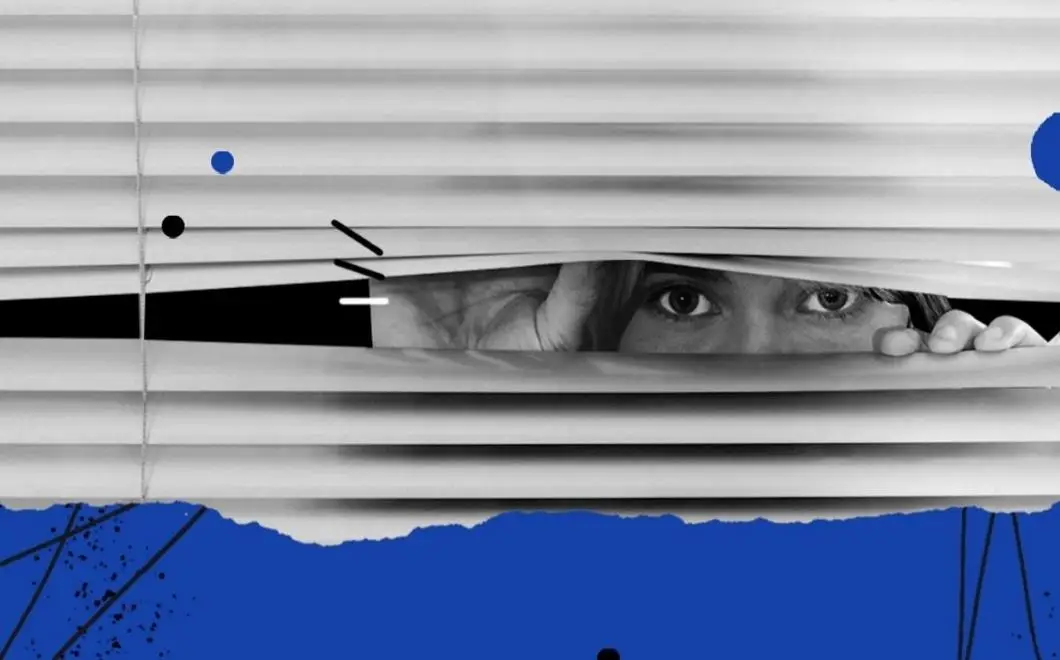
Do you ever get that spine-tingling feeling that someone is standing behind you… even when no one is there?
You might be lying in bed, completely relaxed, when suddenly you’re certain you’re not alone. You don’t hear anything. You don’t see anything. But your body reacts before your mind can catch up.
It’s a common experience.
In fact, feeling watched or sensing a presence is one of the most frequently reported signs of a haunting. Many people who believe their house is haunted describe this exact sensation, often in specific rooms or at certain times of night.
I’ve felt this myself, hesitating at the top of the stairs, convinced something is just behind me.
The sensation often comes with these distinct physical reactions: a sudden emotional chill or prickling/goosebumped skin.
However, before assuming and leaping to anything paranormal, it’s important to consider all the types of rational explanations.
-
Anxiety or heightened awareness can make you more sensitive to your surroundings
-
Infrasound (low-frequency vibrations) has been linked to feelings of unease or a perceived presence
-
Environmental changes, such as lighting shifts, airflow, or silence, can trigger your brain’s threat response
From an evolutionary perspective, this makes sense.
The human brain evolved to detect other humans nearby. It would be better to imagine a presence than miss one entirely. From a survival standpoint, that bias kept our ancestors alive.
However, when the feeling of being watched is persistent and localised — always in the same spot, such as the top of the stairs or a particular doorway – that’s when people start questioning it more seriously. And patterns matter.
If it happens once, it’s probably your nervous system being overprotective. If it happens repeatedly in the same location, at similar times, and without obvious triggers, it’s understandable why some interpret it as the first hint of a ghostly guest.
If you’ve ever found yourself turning around and saying “hello?” into an empty room, you’re not alone. It’s a completely human reaction.
The key is to pay attention to patterns, question what you’re experiencing, and rule out logical explanations first.
And if you still find yourself sprinting up the stairs afterwards? That’s perfectly understandable.
Unexplained Noises, Whispers, or Voices
Footsteps echoing down the hallway.
A knock against your bedroom wall.
Faint murmurs drifting from the next room.
Or the classic… someone calling your name when you’re certain you’re alone.
Few things raise your heart rate faster than unexplained noises in your house, especially when they sound human.
A cold draft is uncomfortable. A cupboard door swinging open is inconvenient.
But hearing what sounds like a voice, with no one there?
Nooo, that is unusual & weird.
Now, naturally, you start a checklist in your mind. You check the TV, the radio, and your phone. You even pause Netflix just in case background dialogue has decided to haunt you. Understandably, you tell yourself, “Hey, come on, it’s just an old house…” Well, old houses do creak. They settle, and often that’s all it is.
Moreover, many weird & unexplained noises, whispers, or voices have some pretty normal causes, for example:
- Pipes expanding or knocking as they cool
- Wind moving through vents or chimneys
- Neighbours having louder lives than you
- Small animals in loft spaces conducting their midnight cardio
- Sleep-related auditory hallucinations (especially during stress)
In fact, the human brain is wired for pattern recognition. It evolved to detect people in the dark. So when it hears a random sound, it sometimes upgrades it into “definitely a whisper.”
But here’s where it gets more interesting, friends.
In paranormal reports, voices or human-like sounds, things like footsteps with no source, are, without doubt, among the most commonly described phenomena.
I still remember the first time it happened to me. I was halfway up the stairs in our old house in Bitton, Bristol, totally convinced. Of course, everyone else was asleep when I heard what sounded like someone quietly say my name from behind me. Not loud. Not dramatic, but loud enough to make me turn around slowly like I was in a low-budget horror film. There was no one there. The house was silent. My heart, however, as you can imagine, was not. Seriously, I have never run so fast in my life.
Now, before assuming an unseen Victorian gentleman has taken up tenancy and plotting how you’re going to charge him rent, rule everything out properly. Old houses can be dramatic. Your fridge at 3 am can sound like it’s rehearsing for a horror film.
But if you truly just cannot find a real-life cause and it keeps happening, it’s probably a strong indicator that something (or someone) unseen or paranormal might be trying to get your attention.
Objects Disappearing or Moving (Disappearing Object Phenomenon DOP)
It usually starts with something small.
You’re certain you left your phone on the coffee table. You remember placing it there. You could practically testify in court about it.
And yet… it’s gone.
You retrace your steps. Check the sofa. The kitchen. The same table you’ve already checked three times.
At some point, you start narrating your own frustration: “I am a rational adult. I am not being haunted by my IKEA furniture.”
Then, later… it reappears.
Not hidden. Not tucked away. But placed somewhere obvious, like the centre of a table or neatly on a shelf, as if it’s been there all along.
This is often described as the Disappearing Object Phenomenon (DOP) — where objects seem to vanish and reappear inexplicably.
I once had this happen with my house keys in that same very old, spooky Bitton house. I absolutely swear blind that I had left them by the door at night and they were missing the very next morning. Two days later? Sat squarely on the table. Not hidden. Not under anything. Just… presented. If it were paranormal, the spirit clearly enjoyed hide and seek. But to this day, I’m still not sure.
With DOP, before assuming supernatural involvement, rule out the obvious, for example:
- Human housemates relocating things “helpfully”
- Sneaky pets conducting their own investigations
- Stress and distraction
- The uncomfortable truth that human memory is wildly overconfident
Our brains are brilliant, but they can improvise.
In alleged hauntings, the Disappearing Object Phenomenon often appears alongside doors opening, cupboards found ajar, or objects subtly repositioned. When items look deliberately placed, people sometimes categorise this under poltergeist signs.
Electrical Disturbances
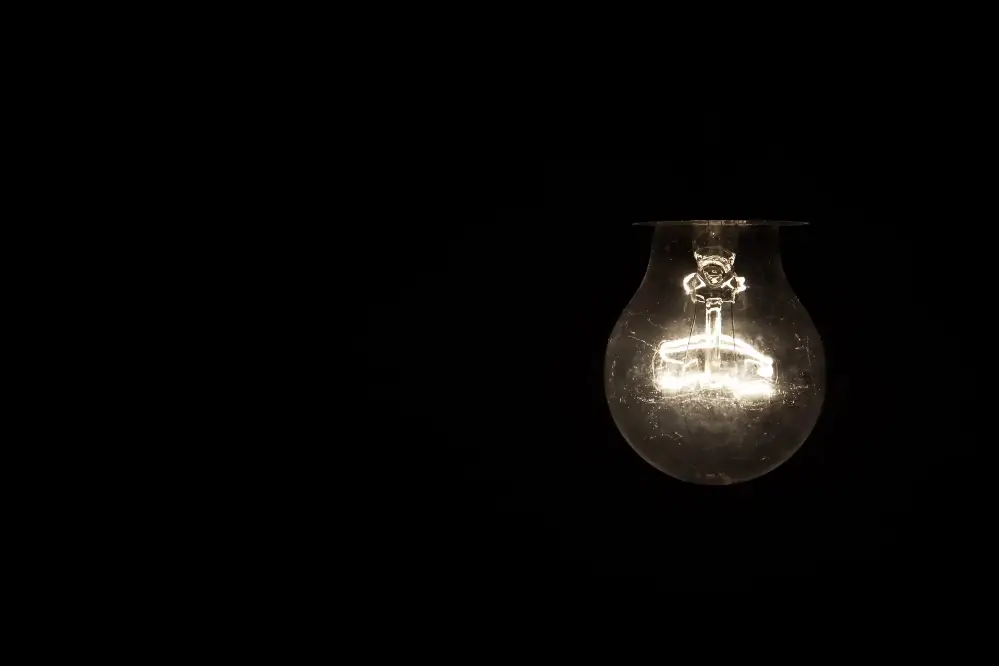
In 1958, the McKenzie family moved into their suburban house in Birmingham.
At first, everything seemed normal.
Then the lights began to dim… but only during arguments.
Later, the radio would switch on by itself after midnight, filling the hallway with low, crackling static that made everyone freeze in bed, frightened half to death.
Their teenage daughter swore the bedside lamp flicked off each time she whispered, “Please stop.”
Yet of course, the electricians found no wiring faults; voltage was stable.
The disturbances clustered in one small room where a previous tenant had reportedly died. Years later, what the family remembered wasn’t the bulb flickering, no.. it was the distinct feeling that the house reacted to emotion, that their fear itself was part of the circuit.
Experiences like this are often cited among the more noticeable signs of a haunting.
People frequently report:
-
Lights flickering or dimming without explanation
-
Electronics turning on or off by themselves
-
TVs or radios switching channels or producing static
-
Appliances malfunctioning intermittently
If you’ve ever seen a light flicker and felt like it wasn’t just a coincidence, you’re not alone.
Many ghost believers say spirits can manipulate electrical energy to signal their presence. A famous example is flickering lights in Stranger Things, used as a form of communication from the beyond.
Of course, always check for bad wiring or burnt-out bulbs first (sometimes a flicker is just an electrical issue!). But if your electrician is baffled and the weird electrical antics persist, it might be a ghost saying “hello, roomies” through the circuits. In any case, as always per old advice, stay rational and rule all else out first.
Unexplained Smells
Yeah, this is an unusual sign we admit! Ever catch a sudden whiff of perfume or cigar smoke in your home, only for the scent to vanish as quickly as it came?
Ghostly aromas are commonly reported in hauntings and often are smells like a particular cologne, perfume, flowers, or tobacco that don’t belong to anything in your house now.
Do check for real causes. Did something fall behind the fridge and spoil? Has your spouse or roommate heroically skipped deodorant for a day or two? (It happens.) If not, a smell that appears completely out of nowhere and is concentrated in one spot or time could point to a ghostly presence.
In fact, it might even offer a strong clue as to the ghost’s identity if you wished to know (for example, the scent of pipe smoke near the study could match a past owner who loved his pipe).
From a rational perspective, scent is powerfully linked to memory and emotion. The brain’s olfactory system connects directly to the limbic system, an area involved in memory, fear, and emotional processing. This is why smells can feel intensely meaningful or personal.
While many unusual smells have practical causes, consistent and location-specific phantom odours remain one of the more intriguing experiences reported in alleged hauntings.
And hey, if it actually does turn out to be your spouse… well, that’s a different conversation entirely.
Cold Spots or Temperature Swings
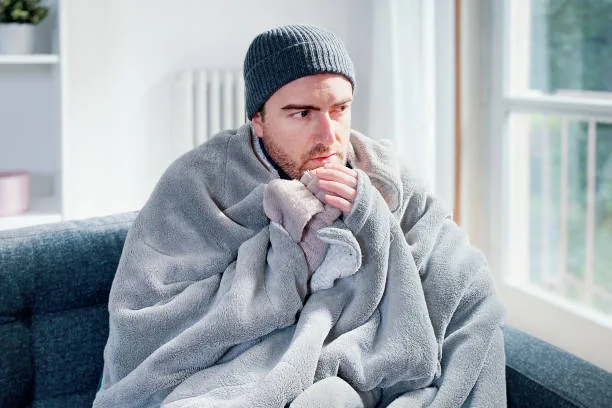
As touched upon, my sister Clare & I lived in an old house in Bitton, Bristol, in the year 2001. The odd temperature was only in the dining room; the rest of our house really behaved pretty normally. The kitchen was warm with the smell of toast, the hallway held its heat, and even the upstairs bedrooms trapped the afternoon sun in summer.
But our old dining room had a mind of its own. You could step across the threshold and instantly feel it – not like a significant draft, not a breeze, just a sudden eery drop. A quiet, creeping cold that wrapped around your ankles and climbed your spine. My sister and I measured it once out of curiosity. Five degrees colder than every other room. Five. Even in July. In summer, it just felt oh so strange, odd and wrong.
A sudden cold spot in an otherwise normal room is one of the most well-known signs of a haunting.
You might be walking through your home when, out of nowhere, you pass through an icy patch of air. It could be the middle of summer, with no windows open and no air conditioning running, yet one area feels noticeably colder than the rest, no matter how you adjust the thermostat.
In paranormal folklore, cold spots are often associated with spirit activity.
The theory suggests that spirits draw energy from their surroundings in order to manifest, which can result in a drop in temperature. In this explanation, the cold is a by-product of that energy being absorbed.
It’s worth noting that your body can play tricks on you.
When you feel anxious or frightened, your body can produce cold sweats or goosebumps, which may create the sensation of a sudden chill, even if the temperature hasn’t actually changed.
Seeing Shadows or Apparitions
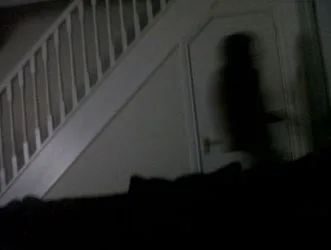
Seeing a ghost/apparition is probably, friends, the holy grail (or nightmare) of ghost signs – actually seeing something your eyes just can’t explain.
More often than not, you’ll catch instead a fleeting shadow in the corner of your eye that vanishes when you look straight at it. These “shadow people” or blink-and-you-miss-it figures are commonly reported, as if a spirit is darting around just at the edge of your vision.
Now, some people do genuinely claim to have seen a misty human shape or even a clear apparition of a person who disappears a moment later. Actually, I’ve personally come across a few people. If you repeatedly see the same shadowy figure or silhouette, just make a mental note of it.
Pro tip: Do make sure, dear reader, you’re not just seeing shadows from passing car lights or your own reflection. Rule out those logical factors first! If you truly glimpse an uninvited “someone” in your home, that’s a pretty strong hint you have a ghostly house guest.
Unexplained Physical Sensations (Touch, Goosebumps, Bruises)
Ghosts don’t just toy with your environment; sometimes, they can get seriously up close & personal.

You might feel a tap on your shoulder when nobody’s there, a brush of something against your arm, or the sensation that something unseen just rushed past you. Some people wake up at night feeling like they’ve been touched or even held down, which can be terrifying.
Note: Such experiences can also be due to sleep paralysis – a very real phenomenon that affects about 8% of people and causes hallucinations of shadowy figures. Always consider that if it happens during sleep or upon waking up.
However, if you’re wide awake and feel a poke or a cold breath on your neck, it’s hard to ignore. In extreme cases, folks have reported mysterious scratches or bruises appearing on their bodies with no explanation.
Waking up with inexplicable cuts or marks, as if something grabbed you, could indicate a more aggressive ghost.

(NB: Do Google friends – “McKenzie’s Poltergeist in Edinburgh” for more info if interested. The above two pictures placed here are about this poltergeist.)
Thank goodness those cases are rarer – most ghosts, even if real, do not physically harm people. Still, any unexplained physical interaction is a classic sign you might not be alone in the house.
Pets Behaving Strangely
 Animals are famously known for their sharp senses, and there is an old belief that cats and dogs can perceive spirits.
So if your beloved dog Fido suddenly growls or barks at an empty corner or refuses to enter a room it used to be fine with, pay attention. He or she may be sensing something you can’t detect.
Dogs have a reflective layer called the tapetum lucidum and more rod cells (motion/light detection).
This gives them superior low-light vision AND stronger motion detection compared to us humans.
So while our adorable pets may do some midnight zoomies or be a bit quirky (and not everything they react to is supernatural), repeated odd behaviour can be a clue. A normally chill cat that keeps puffing up in the hallway or a dog that whimpers and avoids the basement could be responding to a presence humans aren’t aware of.
Take note, however, if it’s consistently in a particular spot or at a certain time. Animals might sense subtle things – a sound frequency, a smell, a vibration – or, who knows, maybe an apparition standing right in front of them.
If you’ve ruled out illness or pests upsetting your pet, their eerie behaviour might be validating your hunch that a ghost is around!
Multiple Signs Happening Together (the “cluster” test)
Any one of those signs written above, by itself, could have a totally mundane and innocent cause.
Strange smells could come from a hidden mould colony, creaky footsteps might just be an old house contracting at night, and even eerie whispers might be a neighbour’s voice carrying through vents.
But if several of these phenomena converge with no logical explanation, then you have a stronger case for a haunting.
Say you’re consistently feeling watched, and then you hear voices in the next room and your lights flicker, and cold spots appear in the hall.
One or two you could write off easily as mere coincidences, but five or six different odd occurrences? Yeah, that’s way, way harder to ignore. A recent survey actually found that among people who’ve lived in haunted houses, a large majority experienced multiple types of phenomena – unexplained noises, feelings of presence, odours, temperature changes, etc.
Don’t forget to trust your gut, too. If you’re genuinely experiencing a cluster of weird activity that you can’t debunk, there’s a good chance you’ve got a ghostly tenant. At that point, it’s not about paranoia or imagination – something real (though not tangible) is going on.
Rational explanations for a haunted house
Old-house causes (pipes, drafts, wiring, light bleed)
It is wise to take a step back and logically ask – could it be something non-paranormal?
Oftentimes, there is a rational answer, so that “ghostly” knocking you heard yesterday might simply be plumbing pipes clanging. That shadow you swear you saw could be just headlights shining through a curtain. Unexplained smells might waft in from open windows or a neighbour’s late-night cigar… we think you get the picture.
Sleep paralysis, EMF, infrasound, pareidolia
There is strong scientific evidence that some scares are self-inflicted – for instance, sleep paralysis or high EMF (electromagnetic field) levels can make people feel creeped out or hallucinate. Interestingly, one engineer (Vic Tandy) linked certain “haunted” sensations to infrasound around 19 Hz under specific conditions.
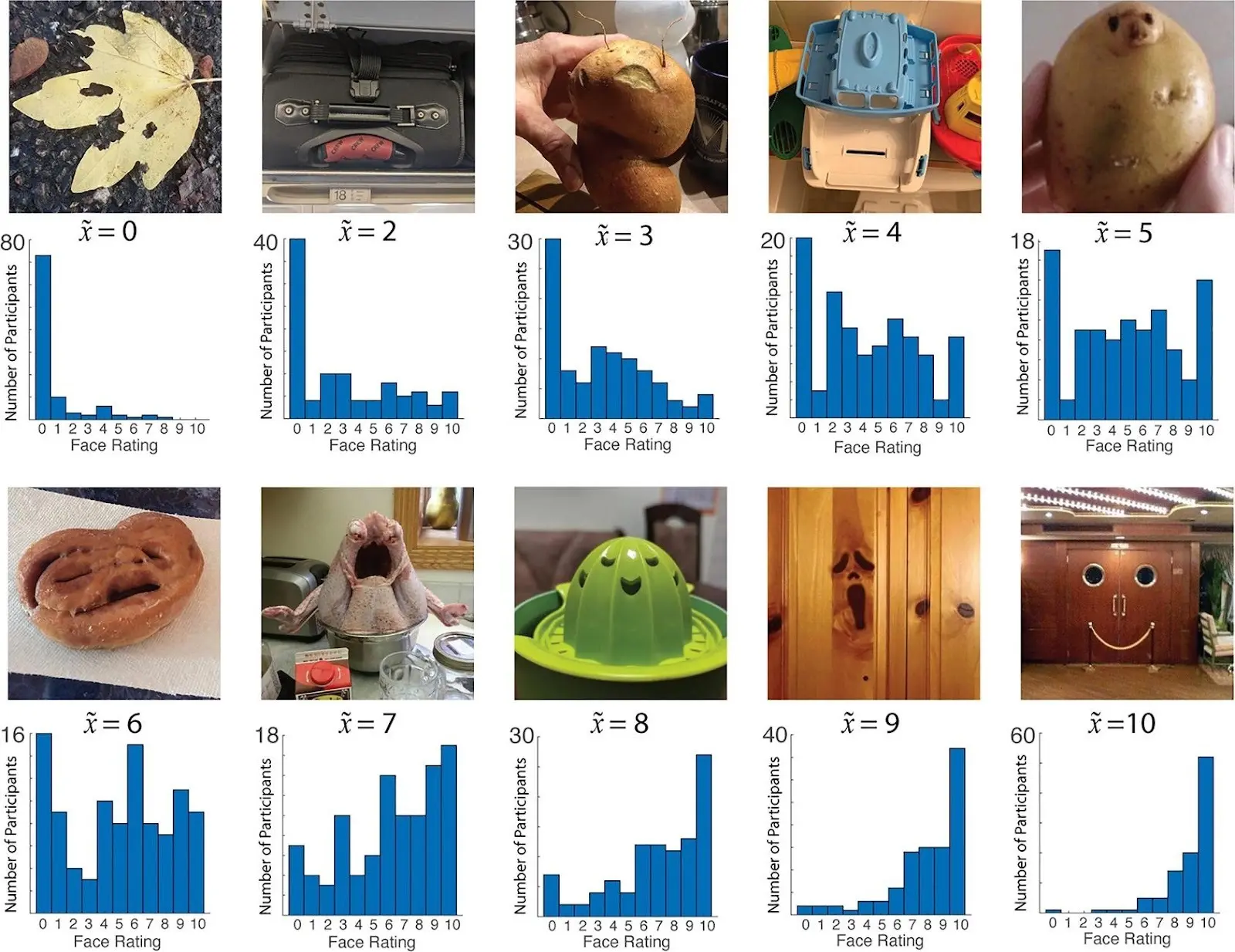
Pareidolia, especially at night, can also be a rational cause; this is our brain’s automatic ability to make and see faces, even from inanimate objects. It’s a survival mechanism to know which is predator and prey, foe or friend.
The emotional pattern angle (not the ghostly phenomena)
Why does mood often come before “evidence”?
This matters because humans detect threat emotionally before consciously. Fear often precedes explanation. Many people don’t notice the signs at first; they notice the mood.
Before any obvious paranormal activity, many people notice a shift in mood. A sense of unease. Irritability. Restlessness. Something that feels… off, even if they can’t explain why.
There’s a reason for this.
How spaces subtly affect stress, sleep, and behaviour
Environmental psychology shows that our surroundings can have a powerful impact on how we feel, think, and behave.
Factors within your home can subtly influence your state of mind, including:
-
Ambient stress levels (as explored in Evans & Cohen, 1987, environmental stress theory)
-
Lighting and its effect on cortisol, which influences alertness and anxiety
-
Layout and architectural design, which can affect comfort and perception
Even small environmental changes can shift how safe or relaxed you feel.
A house can subtly increase irritability, sharpen vigilance, intensify emotional reactivity, and disrupt sleep quality – certainly none of which anyone wants, especially at 3 am!
Why do children see ghosts more?
Imagination-perception boundaries
If you’re currently researching signs your house is haunted, you may notice a pattern:
It’s usually the six-year-old who says, very casually,
“Oh yes, the old lady stands in the corner and watches me sleep.”
Wonderful. Thank you for that.
Well, before we quickly list the property on Rightmove, it helps to understand something important about child development.
Children, naturally, as a part of their cognitive development, have thinner boundaries between imagination and perception, are less socially filtered and experience night terrors and hypnagogic hallucinations more often.
Their brains are understandably still learning how to separate internal imagery (fears, thoughts, & dreams) from external sensory input.
Therefore, kids don’t necessarily “see more ghosts”- they simply report what they do see/experience more often. We as adults may be afraid that others will think we are crazy, so we are sometimes hesitant to report them. As any parent knows, they simply have way less filter!
Why Hauntings Often Start After Big Life Events
Stress, bereavement, burnout, insomnia and hypervigilance
Consistent patterns often show activity starts after:
- a bereavement
- moving house
- divorce or breakup
- the birth of a child
- illness, burnout, or insomnia
Hauntings frequently coincide with periods where the brain is under emotional load, hyper-vigilant, or sleep-deprived.
Is a haunting person-attached rather than place-attached?
We all tend to think of a physical buiding as the source of a reported haunting, but what might surprise you is that research shows sometimes the “haunting” attaches to a person’s emotional state, and NOT, as commonly thought, the building or home.
Some reports state that such activity occurs only with one person. The phenomenon stops when that person leaves the house, and it continues across different houses, following the person.
In paranormal terminology, this is often described as an attachment or spirit following.
The idea is that a presence may be linked to:
-
A person
-
An object they carry
-
Or an emotional or psychological state
This is an important distinction when considering ghost identification, as it changes how people interpret and investigate the experience.
In European ghost lore, attachments were sometimes believed to form after emotional trauma, sudden bereavement, breaking a promise, or handling a “charged” object (lockets, rings, heirlooms)
The first-night effect (why hauntings spike after moving in)
Folklore: disturbance awakens what was dormant
Across cultures, the idea that activity begins when you move in or disturb a space is ancient. In many folk traditions, it’s thought that spirits are not always active. Instead, they are described as:
- dormant
- resting
- bound to a place in silence
Renovation triggers (digging, hearthstones, sealed spaces)
In our British and Irish folklore, digging up & disturbing land especially during renovations or digging foundations for a house building is believed to awaken spirits tied to the land that rest upon a specific location.
People often report activity after, for example:
- converting lofts
- knocking down walls
- opening sealed fireplaces
In Hampton Court Palace, reports of increased sightings (including the “Screaming Lady,” often attributed to Catherine Howard) have historically coincided with restoration work.
The “Threshold” belief (doorways as borders)
In many cultures, thresholds are spiritually sensitive spaces. Doorways are symbolic borders between worlds. When moving into a new house, traditions often included:
- carrying the bride over the threshold (to avoid spirits)
- scattering salt
- entering with the right foot first
The first night was considered spiritually significant.
Why? Because the house does not yet recognise you. This idea mirrors modern reports where activity is strongest the first few nights, then fades.
Emotional energy as activation (stress/change/conflict as fuel)
Many hold beliefs that spirits are drawn to strong emotion, stress, change or conflict.
In many cultural traditions, heightened emotional energy is thought to “activate” a space. Arguments, grief, major life transitions, and upheaval are sometimes described in folklore as fuel for paranormal activity.
Moving house has got to be one of the most stressful life events, and things like renovations can sometimes increase tension and major shifts in our emotional energy.
Is The Ghost Attached To The House or The Person?
So here is the standard haunting narrative: Someone died in the house, and the spirit of that person remains tied to the property with the building as the epicentre of paranormal events. However, many reported experiences simply don’t follow that model.
People often say:
- “It started after I brought that antique mirror home.”
- “It only happens when I’m here.”
- “The activity followed us after we moved.”
- “It began after my divorce.”
- “After my father died, things changed.”
Those reports don’t fit a purely architectural haunting model.
Object attachment (psychometry & folklore)

There is a long-standing belief in both paranormal research and folklore that objects can hold onto energy.
More specifically:
-
Objects may absorb emotional energy over time
-
Personal belongings can retain an “imprint” of their previous owners
-
Antiques or heirlooms may carry residual attachment from the past
This idea is often linked to psychometry, a concept where individuals claim they can sense information or emotions from an object simply by touching it.
Cursed heirlooms, Tsukumogami, Victorian psychometry
This belief appears in: European folklore (cursed heirlooms, mourning jewellery), Japanese Tsukumogami legends (objects gaining spirit after age) and Victorian spiritualist psychometry. (objects holding memory)
The concept is sometimes described as an emotional imprint haunting, where the energy is tied not to walls, but to an item.
Investigating Who Your Ghost Might Be (Finding the Ghost’s Identity)
Once you suspect a ghost is in your home, the next burning question usually is: Who is it?
Is it a harmless lost soul, a former resident, a relative watching over you, or something else entirely?
Figuring out who a ghost might be (and who they were when alive) can feel like a detective mystery – a bit of research, a bit of intuition, and sometimes, a bit of communication with the unknown.

Start with your house’s history
Ghosts often have a connection to the places they haunt. Commonly, it’s believed to be somewhere they lived, died, or held emotional attachment to.
So, do a bit of careful digging into the past:
- Has anyone ever died in your home or on your property?
- Was your house built on older foundations or on a site of historical significance?
Even if you find that no one died there, a previous owner or tenant may have had strong emotional energy that lingered. Try searching your address online or in local archives for any news stories or records.
You might uncover that your house had a previous owner with an interesting story – for example, perhaps the original builder of the home tragically lost a spouse and never “moved on,” or a former resident was known for some eccentric behaviour.
Such clues can be worth their weight in gold when sleuthing out your ghost’s identity.
You’d be seriously surprised, friends, just how often a strange knock or a specific room being cold correlates to something that happened decades ago in that very space.
For example: In 1974, a young couple in Enfield began hearing knocking inside the walls of their council house — sharp, deliberate raps that answered back when they tapped in return. At first, they blamed plumbing, until drawers slid open and lights flickered only in the children’s bedroom. Getting pretty desperate for answers, they searched carefully through local records and, in fact, learned that an elderly man had died in the property years earlier after months of isolation.
The Enfield disturbances were investigated by members of the Society for Psychical Research and documented in Guy Lyon Playfair’s book This House Is Haunted (1980), which details reported electrical and physical anomalies linked to the case.
Follow the patterns (times, rooms, objects, anniversaries)
Pay attention to patterns in the haunting – they can reveal important hints.
- Does the activity always occur at a certain time of night, or on a specific date?
(For instance, if something stirs at 3:00 AM every Thursday, could that tie back to the time of someone’s passing or an anniversary of an event?) - Does the phenomenon centre on a particular room or object?
Maybe the nursery room always has the cold spot and the rocking chair that moves. Perhaps a child spirit or a mother once lived there. Maybe you keep smelling cigar smoke in the study, perhaps a previous owner was an avid cigar smoker and still “visits” his favourite reading chair.
And that’s why recurring clues can feel like the ghost leaving you a trail of breadcrumbs about who they are.
And if your activity clusters around that hour, here’s the cultural + psychological breakdown: Why do people think 3am is scary.
When the ghost “drops hints” (names, clothing era, smells)
In many ghost stories, people report hearing a name being whispered or seeing an apparition wearing clothing from a certain era (a woman in a Victorian dress, for example).
If you actually catch a glimpse of your ghost, note details like:
- their appearance
- clothing style
- age
- anything distinctive
It could match someone from your home’s past.
(A neighbour or local historian might recognise a description like “an elderly man in a tweed suit” as the gentleman who owned the house 60 years ago.) Likewise, if you’re hearing voices, listen carefully – are they saying a word or name?
One eerie case we know of involved a homeowner who repeatedly heard the name “Margaret” whispered at night, only to discover through research that a Margaret had lived and died there in the 1920s.
Either way, detail gathering helps to give you clarity. And clarity, even with a touch of humour, is far better than lying awake wondering whether Margaret has opinions about your choice of wallpaper.
Try talking to the ghost (EVPs and direct questions)
Yes, seriously.
It might feel awkward to speak into thin air, but many paranormal experts and mediums suggest kindly acknowledging a spirit.
Try saying something similar to: “I sense you here. Can you tell me who you are or what you need?” You should do this in a calm moment, perhaps with a voice recorder running (in case you catch a faint response, known as an EVP or Electronic Voice Phenomenon).
Now, while this doesn’t completely guarantee a clear answer (ghostly communication can be like a bad phone signal at best), there have been reports of people who asked questions out loud and later found unexplained voices on their recordings answering them.
Even without gadgets, simply inviting the ghost to share their story, through dreams, signs, or subtle cues, can sometimes lead to intuitions or clues about their identity.
For example, maybe after asking, you start having dreams set in a past time period, or you keep finding an old photograph knocked over. These could be ways the spirit nudges you toward understanding who they are.
Consider a medium or paranormal investigator (with caution)
Another route, especially if you’re afraid or having no luck in your research, is to consult a psychic medium or paranormal investigator for help in identification.
A reputable medium will be able to sense or even directly communicate with spirits to learn their name, age, or why they’re there. Just for peace of mind, do your due diligence and verify the medium first, check reviews, etc.
Some homeowners bring in a medium who might walk through and say:
“I feel the presence of a woman, she’s very sad about a lost child, I think her name is Catherine,” which can still feel pretty general and vague. You need more accurate information, so try to get this. Now, it’s obviously not an exact science (and you should approach it with an open but critical mind), but some people have found validation when the medium’s impressions match historical records.
Paranormal investigation teams can also use tools:
- high-tech cameras
- EMF meters
- spirit boxes that scan radio frequencies for spirit voices, etc.
These methods sometimes yield bits of information, like a voice saying “I’m Jim”, through a spirit box or an EMF reader spiking when you call out certain names. This is the sort of checklist people mean when they search for paranormal investigation signs.
If you go this route, friends, please do, do get recommendations first and just be VERY cautious of who you trust in your home. Unfortunately, there are frauds in the ghost-busting world, but also some equally passionate investigators who genuinely want to help you find answers.
A credible person will welcome scrutiny.
They won’t just wave a gadget, squint at a hallway, and announce, “Yes. Extremely haunted. That’ll be £600.”
Just remember that when you’re worried that your house might be haunted, you’re also in a heightened emotional state. That makes discernment even more important.
Why ghosts might linger (unfinished business/attachment)
While searching for your ghost’s identity, remember that ghosts are often believed to be “stuck” because of unfinished business or emotional attachments.
Common reasons suggested by spiritual folklore include:
- they don’t realise they’re dead (especially if their death was sudden or traumatic)
- they have a message or warning for the living
- they’re attached to the home or an object
- they’re seeking closure or justice for something
If you suspect a particular person (say, you find out the original homeowner lost something precious and it was never found), consider if there’s anything you can do to resolve that.
Sometimes, figuring out who and why can be the key to also finding a way to help the ghost move on.
(And yes — in haunting terminology, some people frame this as residual vs intelligent hauntings, or as an emotional imprint haunting, depending on whether the “presence” seems interactive or more like a repeating atmosphere.)
Not every “ghost” is a former resident (objects + personal visitations)
It’s also worth remembering that not every ghostly presence is believed to be tied to the home itself. While many people assume a haunting must come from a former resident, that is not always how these experiences are interpreted.
In some cases, reported paranormal activity is linked to an object rather than a building. An antique piece of furniture, inherited jewellery, or an old item brought into the home may be seen as the source of the disturbance. If unusual activity began shortly after bringing something old or significant into the house, some people consider the possibility that the object, rather than the property, is connected to the haunting.
Other experiences are thought to be more personal. Some people believe certain spirits are connected to an individual rather than a place, such as a deceased relative appearing in a comforting way. These encounters are often described less as hauntings and more as spirit visitations. The difference usually comes down to how the experience feels.
Conclusion
Summary + reassurance
Discovering you might have a ghost can be both intriguing and scary, but by looking for telltale signs and trying to be practical, you can avoid any situation spiralling.
From there, decide what you want to do; you may want to send them away or bring them peace.
We, in every blog post written, try to take a balanced approach and write both the documented science as well as the ghostly, supernatural beliefs. I have had my own direct experiences, so I do strongly believe, no matter the empirical science or what people say.
Whether supernatural or psychological, these signs are remarkably consistent. Want the full science-and-belief breakdown behind these signs of a haunting and how to identify a ghost? Read our guide: Are Ghosts Real?
Want the fear… but from a safe distance?
If you’re lying awake thinking, “Is my house haunted?” you don’t need to suffer alone with the shadows. Come get your dose of spooky with lights, EMF meters, laughter, and expert guides.
Join the Scented Ghost Tours Bath walk — eerie stories, dark humour, and atmosphere you can actually smell. Book your place here.
Modern media
If you want to see more evidence of hauntings, have a look at this video:
EVP audio:
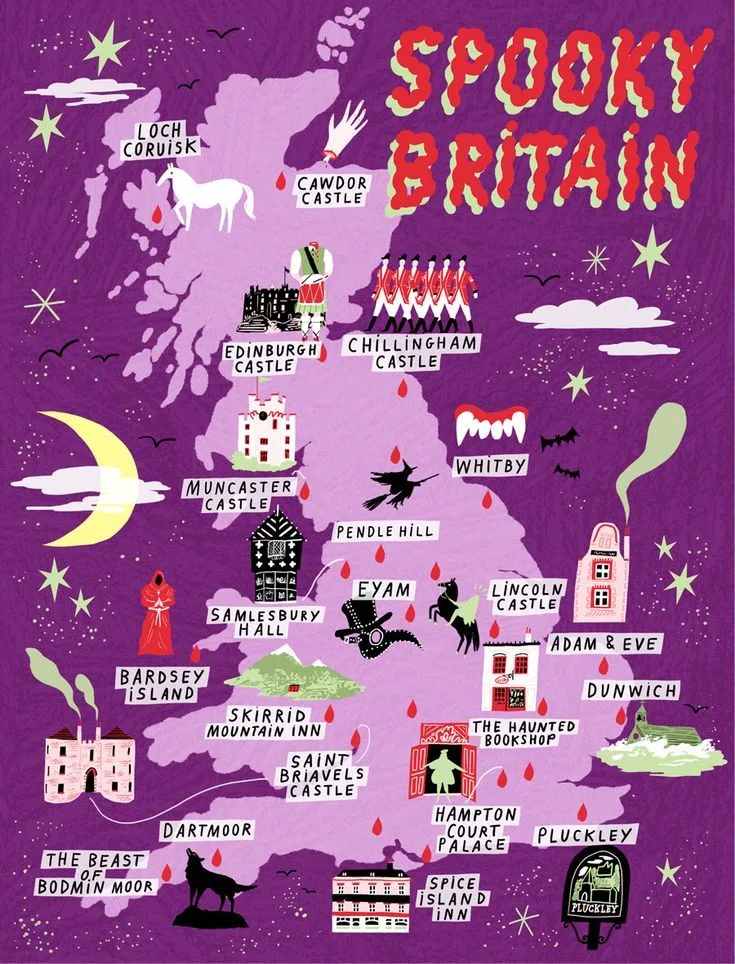
Top places to learn more about the other side, including Chillingham Castle: The five most haunted places in Britain
Map of haunted houses in the UK:
References to freely research:
FAQ about the signs of a haunting & the identification of a ghost
1. What are the strongest signs your house is haunted?
The strongest signs your house is haunted include repeated unexplained noises, objects moving, cold spots, electrical disturbances, strange smells, shadowy figures, and pets reacting to empty spaces — especially when several happen together in the same locations.
2. How many signs does it take to confirm a haunting?
One strange event usually has a logical cause. Most investigators suggest looking for multiple recurring signs (five or more) before seriously considering a haunting.
3. What are the most common logical explanations for ghost activity?
Old house noises, faulty wiring, drafts, mould, light reflections, sleep paralysis, anxiety, infrasound, and pareidolia (seeing patterns in shadows) explain many “haunted house” experiences.
4. Why do hauntings often start after moving in?
Moving house increases stress, disrupts sleep, and heightens awareness — which can amplify normal environmental stimuli. Folklore also claims disturbing a space during renovation can “awaken” dormant spirits.
5. Can a ghost attach to a person instead of a house?
Some reports suggest activity follows an individual, especially after trauma, bereavement, or major life changes — rather than staying tied to a property.
6. What should I do first if I think my house is haunted?
First rule out safety hazards (carbon monoxide, wiring, mould). Then calmly set firm boundaries and avoid escalating fear. If distress continues, seek practical or spiritual support.
Spaces are limited, book now to avoid disappointment!
Book NowSecure SSL Checkout • Encrypted Payments


